
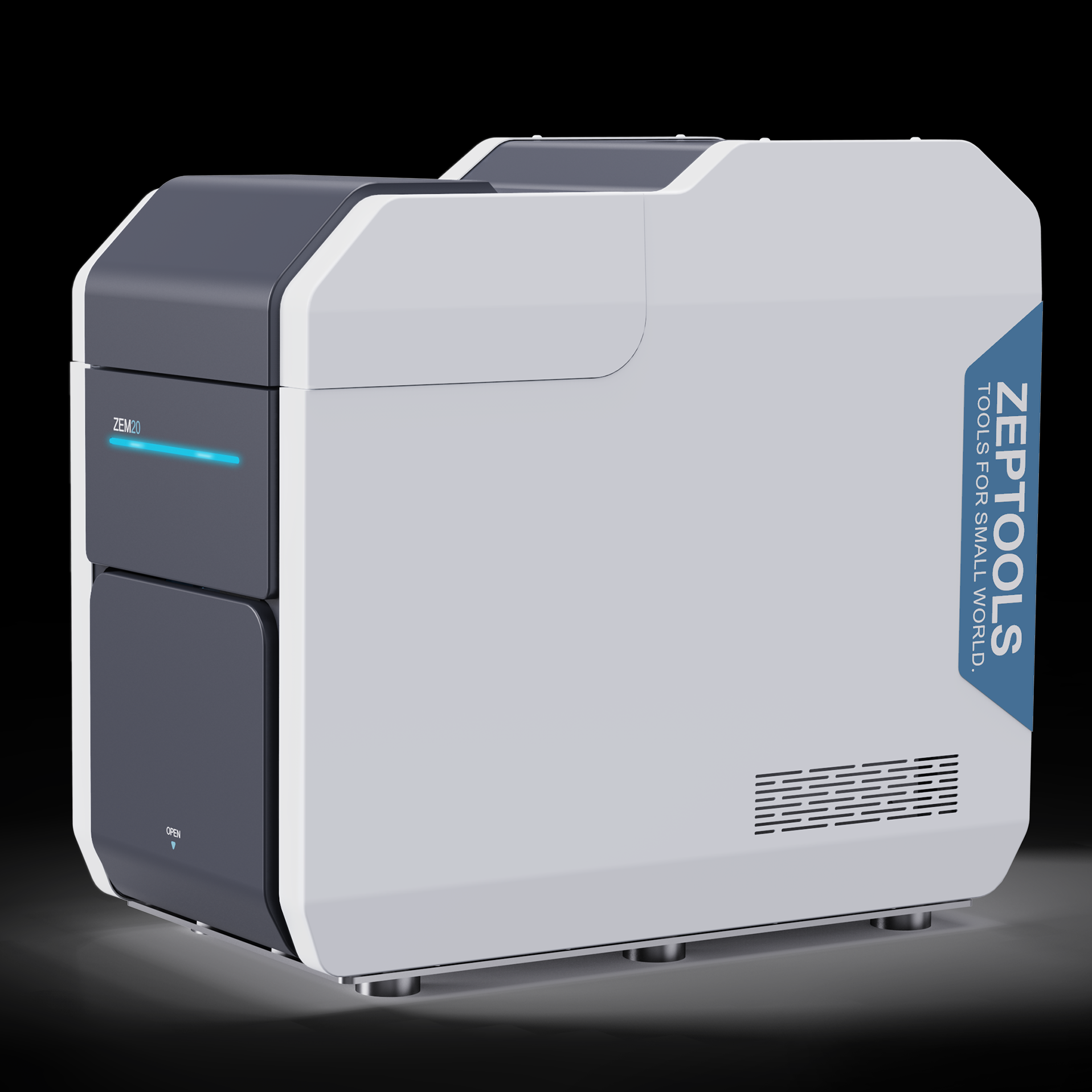
ZEM Series in-situ SEM Tensile-Heating System
The ZEPTOOLS ZEM Series In-Situ SEM Tensile–Heating System integrates a tungsten-filament desktop scanning electron microscope with a 1000 N mechanical testing stage for real-time observation during tensile, compression, and three-point bending experiments. The stage provides a 0–1000 N load range and 20 nm displacement resolution, with an optional heating module for combined thermo-mechanical studies.
 Key features
Integrated desktop SEM and in-situ mechanical testing platform
0–1000 N published load range
20 nm published displacement resolution
Tensile testing
Compression testing
Three-point bending
Optional heating module
Tungsten-filament electron source
Secondary-electron and backscattered-electron imaging
Extra-large specimen chamber
Separate electron-gun and specimen-chamber vacuum sections
Beam-deceleration mode for weakly conductive specimens
In-chamber camera for real-time stage and specimen monitoring
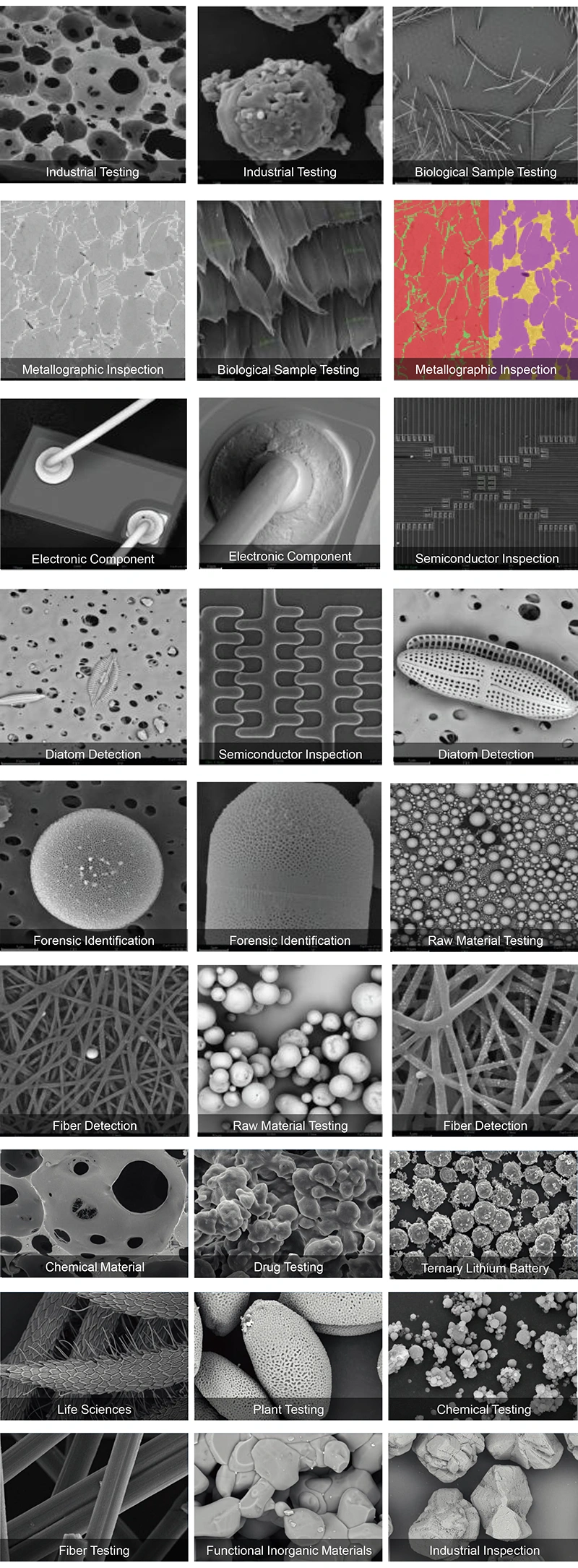
In-situ observation of deformation and fracture
Crack initiation and crack-propagation studies
Tensile behaviour of metals and alloys
Compression and bending of micro-engineered specimens
Coating adhesion and delamination
Fiber, film, and composite testing
Interface and joint failure analysis
Semiconductor and electronic-material reliability
Battery and energy-material deformation
Polymer and biomaterial mechanical behaviour
Temperature-dependent mechanical testing with the optional heating module
Correlation of load/displacement data with SEM images
 ZEM Series In-Situ SEM Tensile–Heating System
| Prod# |
|---|
| In-Situ Tensile–Heating System |
| Description |
|---|
| ZEM Series Desktop Scanning Electron Microscope |
| Unit |
|---|
| each |
| Price |
|---|
| P.O.R |
| Order/Quote |
|---|
| Qty: Add to cart |
| Prod# | Description | Unit | Price | Order/Quote |
|---|---|---|---|---|
| In-Situ Tensile–Heating System | ZEM Series Desktop Scanning Electron Microscope | each | P.O.R | Qty: Add to cart |
How can I request a quotation?
Provide EMART with the SEM model required, specimen material and dimensions, test mode, maximum force, required displacement and speed, temperature range, detector needs, required data synchronization, and installation location. EMART will confirm the suitable configuration with the manufacturer.